

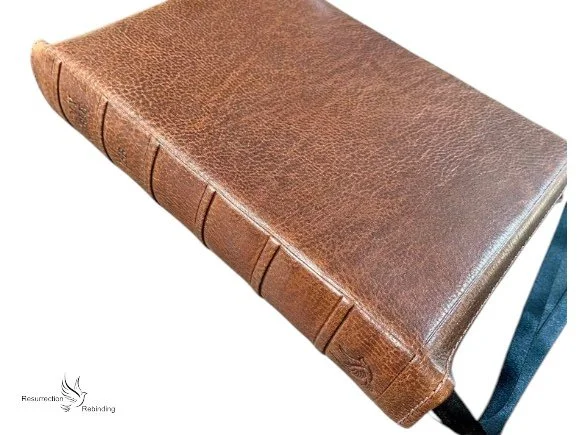
Badalassi Carlo Loch Ness Cowhide
This vacchetta leather is combined with a special shrunken process to create an ultra unique and rugged grain. This vacchetta veg tan leather is their top grade, it is full grain and has a nice supple feel with a small amount of firmness. Loch Ness is a vacchetta leather that is infused with a special blend of Italian fat wax giving it the famous hand and feel attributed with the vacchetta name. This leather has a beautiful smooth grain with a beautiful depth to the leather color. The veg tan will have an amazing patina as it ages. The leather is dyed completely through and has a nice soft flesh side. This leather has a great feel in the hand.
What is Vachetta Leather
Vachetta leather is a high-quality type of leather that has gained distinction in the leather industry. Originating from Italy, it is a full-grain leather made from calfskin. Vachetta leather is known for its natural preservation and minimal alterations. It is tanned using a vegetable-based method, which sets it apart from other types of leather.
The choice of young calf skin for Vachetta leather is due to its elasticity, smoothness, uniformity, and softness. This type of leather typically has a fine finish, about 1 to 2 millimeters thick, and is known for its solid, smooth texture that is pleasing to the touch. Vachetta leather is often a by-product of the meat industry, contributing to its sustainable use.
Vegetable tanning, the process used for Vachetta leather, employs pure plant extracts instead of harsh chemicals or chromium. This method, although time-consuming, is gentle on the hide and results in softer, lighter-toned leather that retains a color closer to the animal’s natural hue. Vachetta leather is distinctive for its minimal finishing, with almost no dyes or other modifications. This results in its trademark beige or off-white color, which can sometimes be lightly tinted.
Vachetta leather has been predominantly used in luxury products, like handbag straps and handles, notably by brands like Louis Vuitton. However, it is now becoming more accessible in other goods as well.
One of the most cherished characteristics of Vachetta leather is the way it develops a patina over time. This untreated, light-colored leather changes color with regular use and exposure to environmental elements, acquiring beautiful, deeper tones. This patina not only confirms the authenticity of the leather but also adds to its uniqueness, as no two pieces age exactly the same way.
What is Vachetta Leather made of
Vachetta leather is made from the hides of young calves, chosen for their unblemished and evenly toned skin. It is a full-grain leather, meaning its surface is left uncorrected to preserve its natural texture and markings. This type of leather is particularly noted for its supple, smooth, and almost silky essence, which is a result of both the quality of the hides used and the specific tanning process it undergoes.
The hides used for Vachetta leather are carefully sourced to ensure they are of high quality, exhibiting fewer marks and a more uniform tone. The distinct characteristics of Vachetta leather also stem from its high-fat content and minimal processing. This minimal treatment allows the leather to retain more of its natural fats, contributing to its unique texture and feel.
During the tanning process, fattening oils are infused into the leather, enhancing its natural qualities. Unlike other vegetable-tanned leathers, which can be quite tough, Vachetta leather is made softer and more pliable due to the addition of these fats, which may be derived from mineral or animal sources. This extra step in the tanning process is crucial in maintaining Vachetta leather's standard quality and sets it apart from other types of leather.
What Advantages Does Vachetta Leather Offer?
The natural leather's ageing process is one of its special advantages. The leather is not treated, so it ages naturally when used and exposed to the elements of daily life. Vachetta leather develops a darker color with time.
This is sometimes referred to as patina, and it's fantastic since each cover takes a different path. Because no two pieces of vachetta leather develop the same tan, they will never look the same. This patina enhances the high-end look that many are looking for.
When you have a Bible rebind made of vachetta leather, it will have flaws throughout. These provide a yet further indication of the leather's genuineness. Even if you can't see it, deep down, you know you're looking at high-quality leather. Furthermore, because vachetta leather is made from young animals, the hide has a consistent tone that reveals flaws.
How to clean Vachetta Leather
Cleaning and maintaining Vachetta leather, a high-quality and natural leather used in many luxury items, requires specific care to preserve its natural attributes and appearance. Here are some essential tips for the upkeep of Vachetta leather:
Regular Attention and Prevention: Daily care is key to maintaining Vachetta leather. Avoid handling the leather with dirty or greasy hands, as grease can darken and soil the leather. Keep the leather item away from dirty surfaces and store it properly when not in use - ideally in a dust bag, away from heat sources, and in a well-ventilated area to prevent drying or mold growth.
Cleaning Dust and Debris: Before any maintenance, clean the leather of dust, pollen, or hair using microfiber cloths or unscented wipes. Avoid scented products as they can damage the leather.
Dealing with Water Marks: Vachetta leather is porous and can absorb liquids easily. If frequently exposed to moisture, consider using a specific leather waterproofing product. However, be aware that waterproofing can reduce the leather’s breathability and shorten its lifespan. For water stains, gently dab the area with unscented wipes, and avoid rubbing. After cleaning, apply a colorless leather conditioner to nourish the leather and cover watermarks.
Managing Scratches: While some appreciate the added character scratches bring to Vachetta leather, others may prefer to minimize them. Use leather conditioner, skin butter, moisturizers, or petroleum jelly on scratched areas, applying with a dry cloth. Regular cleaning and moisturizing can reduce the likelihood of scratching and may help the leather repel dirt over time.
Addressing Dirt and Aging: Recognize that Vachetta leather naturally darkens and develops a patina over time. If the leather appears dirty, clean it gently, but understand that some changes in color are part of the natural aging process.
Proper care and regular maintenance of Vachetta leather ensure its longevity and preserve its luxurious appearance, making it a valuable investment in the long run.
Conclusion
Vachetta leather is a very expensive leather manufactured from calfskin with Italian origins. Its use by well-known companies, like Louis Vuitton, which launched it into high-end leather goods, is partly responsible for its renown. Vachetta leather, is smooth, supple, and soft. It is also highly durable and polished. It changes throughout time and is surprisingly durable, ensuring that it will look wonderful for many years.
What is cowhide leather?
Cowhide leather is significant and commonly utilized due to its strength, resilience, and ability to maintain its shape. Cowhide leather is manufactured from cow skin using a tanning method that keeps the natural fibers intact and yields a strong, elastic material. Cowhide leather is among the most popular and often used varieties of leather because of its durability and adaptability.
Cowhide leather production involves several stages such as tanning, dyeing, and finishing to create a durable and versatile material. Cowhide leather is a tough and useful material created from a cow's skin via a tanning process, and conserving the skin to produce a sturdy and flexible material. Because of its thickness and distinct grain pattern, cowhide leather stands out from other varieties of leather. It has a hard, firm texture, different thicknesses, and a distinctive grain pattern.
What are the Benefits of Cowhide Leather?
Cowhide leather has many advantages, including durability, strength, and natural beauty. It is resistant to deterioration and damage, making it excellent for goods that require a strong material, and it may develop a distinctive patina over time, contributing to its aesthetic appeal.
Aesthetic Appeal
Cowhide leather has a distinct and appealing appearance because of its natural texture, grain pattern, and color variations. Because each hide is unique, each product manufactured from cowhide leather is one-of-a-kind. Cowhide leather also acquires a lovely patina over time, contributing to its aesthetic appeal and providing it with a classic appearance.
Durability
Cowhide leather is noted for its strength and durability due to its strong fibers and natural oils. It is resistant to wear and tear, making it excellent for goods that require durabilities, such as furniture and vehicle upholstery. Furthermore, cowhide leather can tolerate exposure to sunshine and heat, which helps to avoid splitting and drying out, guaranteeing that it's going to last for many years.
What is Pull-Up Leather?
Pull Up leather is a type of aniline leather that is colored with aniline dyes that are sealed using natural oils and/or waxes instead of paints, pigments and top coats. They end up having a colored wax or oil finish on the top. Pull-Up leather is therefore also called as waxed leather or oiled leather. Pull-up leather is a type of leather that is characterized by its distinctive aging and patina development. Pull-up leather gets its name from the way it responds when stretched or pulled, as it tends to lighten in color and reveal lighter tones underneath. This effect is achieved through the application of special oils, waxes, or greases during the tanning process.
Pull-up leather requires minimal maintenance and can often be rejuvenated by simply rubbing the surface with a soft cloth or applying leather conditioning products. It is important to note that pull-up leather should be handled with care to avoid excessive scratching or exposure to harsh elements, as these can affect its appearance and longevity.
Pros of Pull-Up Leather
Distinctive Appearance: Pull-up leather develops a beautiful patina and character over time, making each piece unique. The lightening and darkening effects that occur when the leather is stretched or pulled create an attractive vintage or aged look.
Durability: Pull-up leather is typically made from full-grain hides, which are known for their strength and longevity. It is resistant to wear and tear, making it suitable for items that require durability, such as furniture and accessories.
Natural Imperfections: The natural marks, scars, and wrinkles on pull-up leather add to its charm and character. These imperfections give it a rustic and authentic appeal, distinguishing it from corrected-grain leathers that have a more uniform appearance.
Minimal Maintenance: Pull-up leather requires relatively low maintenance. Regular cleaning with a soft cloth and occasional conditioning with leather products can help keep it in good condition. The aging process can often hide minor scratches and blemishes.
Cons Of Pull-Up Leather
Price: Pull-up leather is generally more expensive than other leather types due to its high quality and unique aging characteristics. The special oils, waxes, and craftsmanship involved in its production contribute to its higher cost.
Sensitivity to Scratches: While pull-up leather can develop a patina that hides minor scratches and marks, it is still prone to scratching. Care should be taken to avoid sharp objects or rough handling that may damage the surface.
Color Variation: The color variation inherent in pull-up leather can be a disadvantage if a uniform appearance is desired. The lighter tones that emerge when the leather is stretched or folded can create uneven coloration across the surface.
Water and Stain Susceptibility: Although pull-up leather is often treated with oils and waxes to enhance its water resistance, it is still susceptible to water and stains. Spills should be promptly wiped off, and regular conditioning can help maintain its resistance to moisture.
It's important to note that the specific characteristics and qualities of pull-up leather can vary depending on the manufacturer and specific product.
Considerations
Pull-up leather Bible covers offer a distinctive and timeless aesthetic that appeals to many Bible enthusiasts. The aging process and development of a unique patina over time give pull-up leather a vintage and rugged charm. They are durable and resistant to wear, making them suitable for daily use and providing longevity.
The natural imperfections and variations in color add character to pull-up leather Bible rebinds, making each Bible unique. However, these characteristics also make the Bibles more prone to scratching and can result in uneven coloration. Care should be taken to handle the Bibles gently and protect them from sharp objects.
While pull-up leather Bible rebinds require minimal maintenance, regular cleaning and occasional conditioning are recommended to keep them in good condition. Despite being treated with oils and waxes, pull-up leather is still susceptible to water and stains, so it's important to avoid excessive exposure to moisture.
Price can be a consideration as pull-up leather Bible rebinds tend to be more expensive due to their high-quality materials and unique aging properties.
Ultimately, if you appreciate the distinctive look of an aged and patinated Bible rebind and are willing to embrace the natural imperfections that come with it, a pull-up leather Bible rebind can be a great choice.
How to Care for Cowhide Leather
It should be kept away from sunshine, heat, and moisture. To avoid drying and cracking, clean cowhide leather with a soft cloth or brush. Moreover, avoiding dangerous chemicals and utilizing leather-specific solutions can help to maintain the beauty and lifespan of cowhide leather.
Storage
Lay your Bible flat when not in use. Storing your Bible upright can weaken the spine of your Bible, no matter what leather is used for the cover. Cowhide leather should be kept in a place that is cool, dry, and well-ventilated, away from sources of heat or sunshine. Use breathable storage coverings to shield them from dust and moisture, and avoid stacking heavy objects on top of it to avoid creases and distortion.